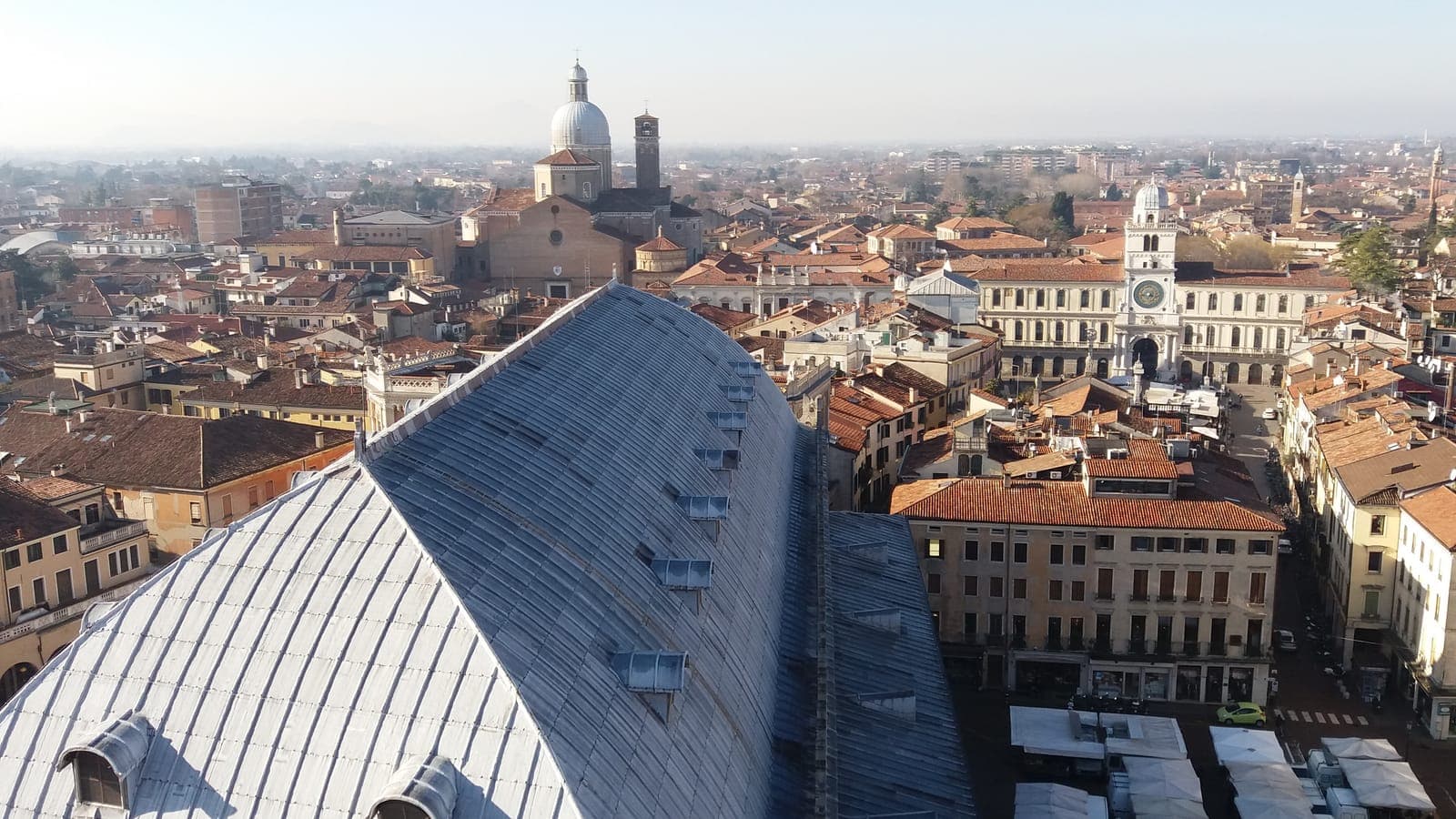

About the city
Padova — Padua in English — is one of the historically and culturally richest cities in northern Italy. Founded in pre-Roman times and Romanised as Patavium, it achieved such prosperity that the Roman historian Livy was born in its surroundings. Its University, founded in 1222, is one of the oldest in the world: Galileo Galilei taught there for eighteen years, and within its walls Andreas Vesalius revolutionised modern anatomy. The Basilica of Sant'Antonio, begun in 1232 over the tomb of the Lisbon-born saint, receives millions of pilgrims every year and is one of the five most visited centres of Catholic devotion on the planet.
From a sporting perspective, Padova has an extraordinarily rich and diverse tradition. Petrarca Rugby, with 14 national titles won between 1970 and 2022, is one of Italy's most decorated clubs in that sport. Calcio Padova competes in Italian Serie B football, while Pallavolo Padova holds its place in the Superlega, volleyball's top division. Rowing has a natural stage in the Bacchiglione river and Padovan canals, and the city's teams have produced dozens of Olympic and world medallists.
In 2023, ACES Europe designated Padova a European City of Sport, recognising the breadth and quality of its sporting ecosystem. With 8 events registered in the EWoS 2024 programme, the city demonstrates that this recognition was not a destination but a starting point: sport as the backbone of community life in one of Europe's most dynamic university cities.
Key facts
Events
Events registered on the platform
- WMT KombatOct 5, 2024EWoS 2024
- Festival dello Sport del VenetoSep 29, 2024EWoS 2024
- 37° Trofeo Città di Padova tiro a segnoSep 28, 2024EWoS 2024
- 6dicorsa6deinostriSep 22, 2024EWoS 2024
- Festival del GiocoSep 22, 2024EWoS 2024
- 10^ edizione Torneo Internazionale di calcio a 5 e 7Sep 20, 2024EWoS 2024
- Pugni sotto le stelleSep 20, 2024EWoS 2024
- Padova è....pallavoloSep 11, 2024EWoS 2024
- 2^ edizione Marcia Pride Run - marcia non competitiva di km.10Sep 7, 2024EWoS 2024