Chihuahua closes its year as American Capital of Sport 2025 with more than a thousand activities
The Municipal Institute of Physical Culture and Sport presents the final report on the city's year as capital: 434 competitions, 260 training programmes, 87 mass participation events and 46 adapted sport initiatives consolidate sport as public policy.
The Municipal Institute of Physical Culture and Sport (IMCFD) of Chihuahua has presented the final report on Chihuahua, American Capital of Sport 2025, the balance of a year in which the Mexican city turned the award granted by ACES into a programme of more than a thousand activities and a more orderly way of planning, recording and evaluating municipal sport.
A candidacy built on data
The designation was the result of coordinated work between the Municipal Government, the State Government, educational institutions, sports bodies, the private sector and civil society. The candidacy dossier accredited 263 sports facilities identified and georeferenced, an investment of 19.8 million dollars in the construction, refurbishment and improvement of sports spaces — with the Luis H. Álvarez sports complex as its flagship project —, more than 30 national and international events held in the preceding years, a hotel capacity of 4,059 rooms and 14 direct air routes, 12 domestic and 2 international, with an arrival capacity of 4,353 seats per day.
The ACES evaluation visit made it possible to verify on the ground the quality of the facilities, the institutional organisation and the involvement of the city's different sectors. The award was presented in Brussels to Juan José Abdo Fierro, director of the IMCFD, on behalf of the Mayor of Chihuahua, Marco Antonio Bonilla Mendoza.
More than a thousand activities in a single year
According to the 2025 activity register, the capital's programme brought together 434 tournaments, championships, cups, leagues, meetings and olympiads; 260 schools, academies, training sessions and development programmes; 173 institutional events, training courses, ceremonies and press conferences; 87 races, mass participation days, campaigns and community activities; and 46 specific adapted sport and inclusion initiatives.
Highlights of the year include the Teporaca Municipal Award for Sporting Excellence, the Box de Barrios neighbourhood boxing tournament — with eight dates across different venues in the city —, the 21K Chihuahua Capital race, the Chihuahua Cima Cup, the 2025 National Mini Basketball Championship, the National Olympiads and the National Popular Sports Games, as well as competitions in football, volleyball, basketball, baseball, softball, taekwondo, kickboxing and boxing. Adapted sport held a place of its own in the programme, with Powerchair activities, adapted basketball and initiatives with the Multiple Attention Centres (CAM), Mexico's special education schools.
The capital year made it possible to combine competitive sport with community sport, training and citizen physical activity, bringing programmes to neighbourhoods, schools, sports centres and public spaces, with particular attention to children, young people, older adults, women, people with disabilities and indigenous communities.
A legacy beyond the title
The report underlines that the capital year's main contribution was not the title itself, but the order it left behind: greater use of municipal facilities, a consolidated annual calendar of state, national and international events, the strengthening of adapted and inclusive sport, more visibility for athletes, coaches and promoters, and a documentary and organisational base that will make it possible to plan future venues, events and promotion strategies with greater clarity.
For ACES América, the case of Chihuahua illustrates the purpose of the capital of sport programme: the title as a lever to consolidate sport as a cross-cutting public policy, linked to health, social inclusion, community life, tourism and the economic development of the continent's cities.
More in this category
 Awards
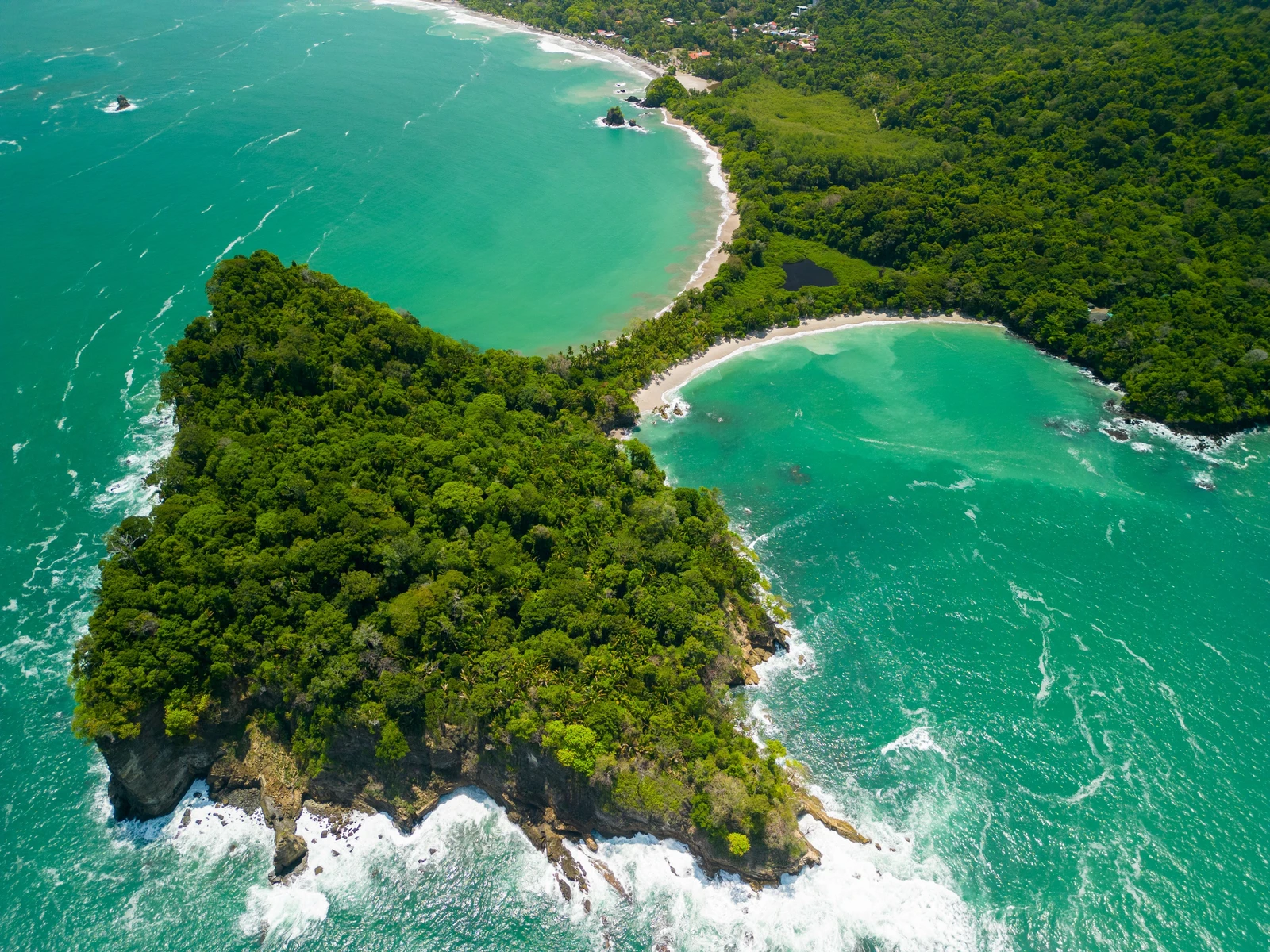
Pernambuco and Puntarenas, American Regions of Sport 2025
A Brazilian state of nine million people and a Costa Rican province facing the Pacific, recognised in the 2025 regional cohort.
 Awards
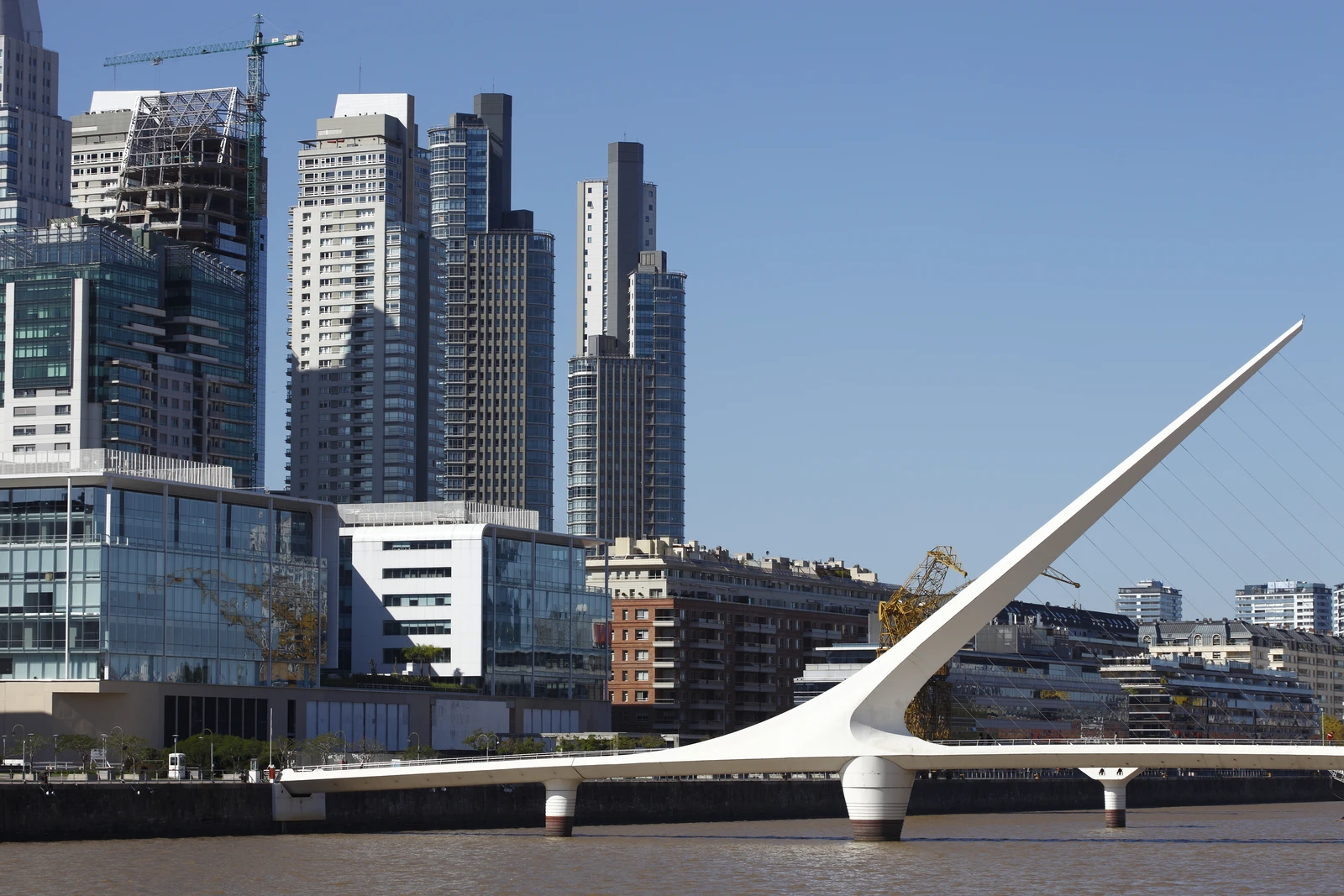
Buenos Aires and Zapopan lead the 2027 cohort
The ACES registry already lists next year's two major titles: the World Capital and the American Capital of Sport 2027.
 Awards
Webinar series to promote the «Greenest City of Sport» award
ACES, in collaboration with Sinnple, is launching a new series of webinars to present and promote the «Greenest City of Sport» award, an innovative initiative that connects sport and sustainability at the municipal scale.